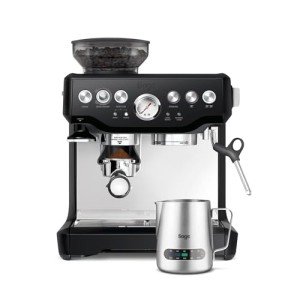
The Ultimate Guide to Coffee Bean Machines for Home Brewing
Coffee enthusiasts progressively seek equipment that permits them to develop the ideal cup of coffee in the convenience of their homes. For many, investing in a coffee bean machine is a game-changer. These machines use a variety of functions that make grinding, developing, and enjoying coffee a pleasurable routine. This post explores the basics of coffee bean machines, their advantages, types, and the aspects to consider when selecting the right one for your home.
What is a Coffee Bean Machine?
A coffee bean machine, often described as a coffee grinder or coffee maker, is a specific gadget for grinding coffee beans and brewing coffee. Bean Cup Coffee Machine are available in numerous types, from simple manual mills to advanced automatic espresso machines. These machines not just grind coffee beans but might also include built-in developing systems that improve the process, enabling users to enjoy fresh coffee in minutes.
Why Use a Coffee Bean Machine?
Newly ground coffee provides a more robust taste and aroma compared to pre-ground coffee. Using a coffee bean machine uses a number of benefits:
- Customization: Users can change the grind size, making sure the coffee extracts perfectly according to the brewing method (e.g., espresso, pour-over, or French press).
- Freshness: Grinding beans simply before developing keeps the essential oils and tastes locked inside the beans.
- Convenience: Many machines integrate grinding and developing, making the procedure much faster and more straightforward.
Kinds Of Coffee Bean Machines
Picking the right coffee bean machine depends upon individual preferences, budget, and the kind of coffee wanted. Here are the main types:
1. Handbook Grinders
- Description: Hand-cranked devices that need physical effort to grind coffee beans.
- Benefits: Affordable, portable, and frequently compact.
- Disadvantages: Time-consuming and labor-intensive.
2. Electric Blade Grinders
- Description: Machines that utilize sharp blades to slice coffee beans into particles.
- Benefits: Quick and easy to use.
- Drawbacks: Inconsistent grind size might impact taste.
3. Burr Grinders
- Description: Grinders that crush beans between two abrasive surfaces.
- Advantages: Provide uniform grind size, enhancing taste extraction.
- Downsides: More expensive and bulkier than blade mills.
4. Coffee Maker with Built-in Grinder
- Description: Machines that integrate a grinder and coffee brewer in one unit.
- Advantages: Convenience of grinding and brewing in one action.
- Drawbacks: Can take up more counter space and might need more maintenance.
5. Espresso Machines with Grinder
- Description: High-end machines created for making espresso, often featuring programmable settings.
- Advantages: Produce high-quality espresso; some models allow for modification.
- Drawbacks: Higher rate point and a high learning curve for beginners.
How to Choose the Right Coffee Bean Machine
When selecting a coffee bean machine for home usage, consider the following aspects:
1. Budget
- Determine just how much you want to spend.
- Prices can vary from ₤ 20 for manual grinders to over ₤ 1,000 for high-end espresso machines.
2. Brewing Preferences
- Select the kind of coffee you most delight in (e.g., espresso, drip coffee, French press).
- Choose a mill that works well with your preferred brewing method.
3. Space and Design
- Assess your cooking area space. Would you prefer a compact model or are you open to bigger machines?
- Think about the design and aesthetic appeals to complement your kitchen area.
4. Relieve of Use and Maintenance
- Try to find easy to use options with straightforward controls.
- Check if the machine is easy to clean and maintain.
5. Grind Settings
- Machines with adjustable grind settings use greater flexibility.
- Try to find designs that enable a range of grind sizes, from fine to coarse.
Table: Comparison of Common Coffee Bean Machines
| Kind of Machine | Price Range | Grind Uniformity | Developing Capability | Mobility |
|---|---|---|---|---|
| Handbook Grinder | ₤ 20 - ₤ 50 | Moderate | No | High |
| Electric Blade Grinder | ₤ 20 - ₤ 100 | Inconsistent | No | High |
| Burr Grinder | ₤ 50 - ₤ 300 | Exceptional | No | Moderate |
| Coffee Maker with Built-in Grinder | ₤ 100 - ₤ 500 | Good | Yes | Moderate |
| Espresso Machine with Grinder | ₤ 300 - ₤ 1,000 | Excellent | Yes | Low |
Frequently Asked Questions (FAQs)
1. What is the difference in between a blade grinder and a burr mill?
Blade mills chop coffee beans using high-speed blades, leading to irregular particle sizes. Burr grinders crush the beans consistently in between 2 surface areas, providing a consistent size for improved flavor.
2. Can I use any coffee bean machine for espresso?
Not all coffee machines are ideal for espresso. An espresso machine is specifically designed to generate the needed pressure for developing espresso, while standard drip coffee makers do not.
3. How frequently should I clean my coffee bean machine?
Routine cleansing is important for optimum performance. It's recommended to clean the mill and developing parts every couple of weeks, or more frequently if used daily.
4. Do I require to grind my beans for each cup of coffee?
For the freshest flavor, it is suggested to grind beans prior to each brew. Nevertheless, some users may prefer to grind a larger batch and shop it in an airtight container for benefit.
5. Is a coffee bean machine worth it?
Purchasing a coffee bean machine can considerably enhance your coffee experience, especially if you delight in explore various brews and tastes. The fresher coffee can substantially enhance the general taste.
Purchasing a coffee bean machine can change the method you experience coffee in your home. By understanding various types and features, as well as assessing personal preferences and needs, coffee lovers can discover the best machine that fits with dignity into their everyday regimen. A well-chosen coffee bean machine not just boosts the flavor of coffee but likewise elevates the entire developing experience into a delightful routine.